
SEO Title: Guide to Student Life at U.S. Universities | UniCoStudy
Meta Description: What is student life really like at a U.S. university? Explore housing, campus culture, clubs, academics, and social life to know what to expect.
URL Slug: /student-guides/student-life-at-us-universities/
Primary Keyword: student life at US universities
Secondary Keywords: what is college life like in the US, US campus life guide, university student experience
Internal Links: Cost of Living for Students in the United States, What International Students Should Know Before Studying in the U.S., relevant university profiles (Campus and Student Life sections)
Introduction
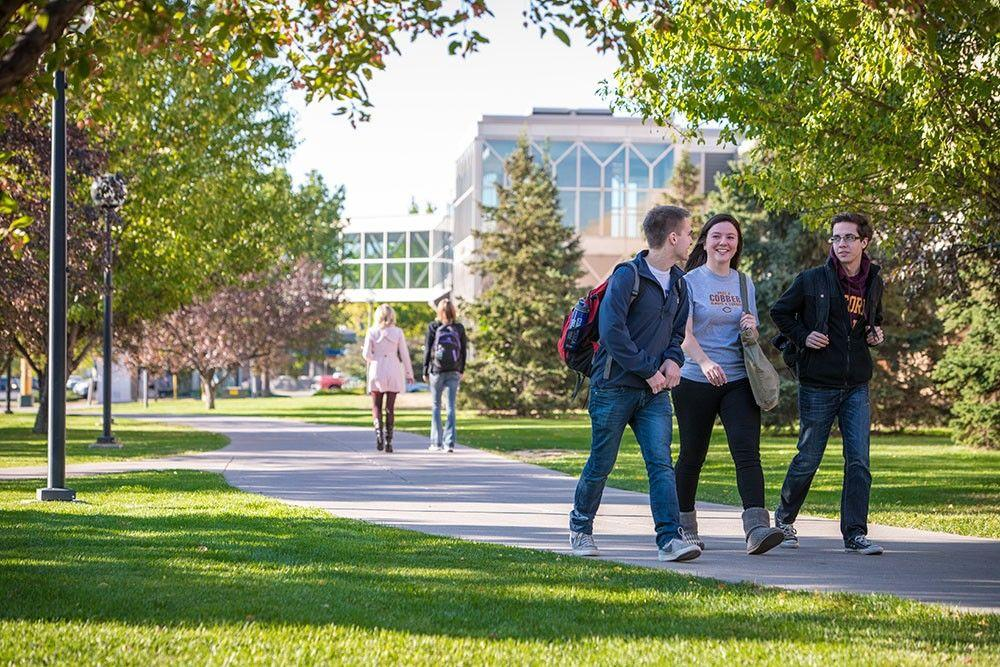
Academics are only one part of the university experience in the United States. Housing arrangements, campus culture, extracurricular involvement, and the overall rhythm of daily life all shape how students experience their four years — and these details are often less visible from the outside than admissions requirements or rankings.
This guide walks through what student life generally looks like at U.S. universities, covering academics, housing, social life, and the support systems most institutions provide.
Academic Life and Class Structure
Class Formats
U.S. universities typically offer a mix of large lecture courses, smaller discussion sections, and seminar-style classes, particularly as students move into upper-level coursework in their major. First-year students often take larger introductory courses before class sizes shrink in later years.
Flexibility in Course Selection
Most U.S. universities use a credit-based system that allows students some flexibility in choosing courses each semester, alongside required classes for their major and general education requirements. This system also generally allows students to explore subjects outside their primary field before fully committing to a major.
Academic Support
Universities typically offer academic advising, tutoring centers, writing centers, and office hours with professors or teaching assistants, all aimed at helping students succeed academically outside of scheduled class time.
Housing and Daily Living
On-Campus Housing
Many universities require or strongly encourage first-year students to live in on-campus dormitories, which typically include shared or private rooms, communal bathrooms or suites, and access to dining halls.
Upperclassmen Housing Options
After the first year, students often move to different housing options — university apartments, off-campus rentals, or fraternity/sorority housing where applicable — depending on the university and personal preference.
Dining and Meal Plans
Most universities offer dining halls with meal plan options, along with on-campus cafes and food courts. Students living off campus more often cook independently or rely on a mix of cooking and eating out.
Extracurricular Activities and Clubs
Student organizations are a major part of campus life in the U.S., often as significant as academics for shaping the overall experience.
- Academic and professional clubs related to specific majors or career interests
- Cultural and identity-based organizations supporting students from particular backgrounds or shared interests
- Sports and recreational clubs, ranging from intramural leagues to competitive club teams
- Greek life (fraternities and sororities), present at many but not all universities
- Volunteer and community service groups
- Performing arts, media, and creative organizations, including student newspapers, radio stations, and theater groups
Joining clubs is one of the most common ways students build friendships and community outside the classroom.
Campus Events and Traditions
Many universities have signature annual events, sports rivalries, or long-standing traditions that shape the social calendar. Examples include homecoming events, major sports games, cultural festivals, and orientation week activities for incoming students. These events are often central to a university’s overall identity and community feel.
Support Services for Students
U.S. universities generally provide a range of support services beyond academics, including:
- Health and counseling centers
- Career services and internship support
- International student offices, for students studying from abroad
- Disability and accessibility services
- Financial aid and student employment offices
Understanding what support services are available — and how accessible they are — can meaningfully affect a student’s overall experience, particularly during stressful periods like exams or when adjusting to a new environment.
Balancing Academics and Social Life
Most students find that the first semester involves an adjustment period, learning to balance coursework with new social opportunities and increased independence. Universities often provide orientation programs and first-year seminars specifically designed to help ease this transition.
Frequently Asked Questions
Is campus life the same at every U.S. university?
No. Campus culture varies significantly based on university size, location, whether it’s public or private, and its specific traditions and demographics.
Do all students live on campus?
Not always — this depends on the university. Many require first-year students to live on campus, while later years and commuter students may live off campus or at home, depending on location and personal circumstances.
How important are clubs and extracurriculars to the overall experience?
Very important for many students — they’re a primary way to build community, develop skills outside the classroom, and, in some cases, strengthen resumes for future career applications.
What if a student struggles to adjust socially or academically?
Most universities have dedicated support services, including counseling centers, academic advisors, and peer mentoring programs, specifically designed to help students navigate these challenges.
Conclusion
Student life at U.S. universities extends well beyond the classroom, shaped by housing arrangements, extracurricular involvement, campus traditions, and available support services. Understanding these aspects in advance — not just admissions and academic requirements — helps students choose a university where they’re likely to feel genuinely comfortable and supported throughout their degree.