
Introduction
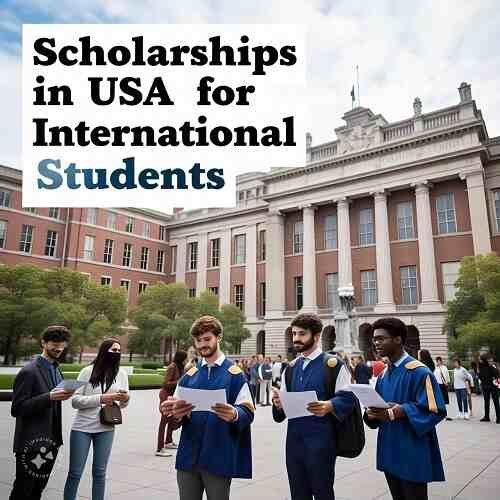
International students considering studying in the United States often face a distinct funding landscape compared to domestic students, since many U.S. federal aid programs are restricted to citizens and permanent residents. However, a range of university, government, and private scholarship opportunities exist specifically to support international students. This guide outlines the main sources of funding international students should explore.
University-Based Aid for International Students
Need-Based Aid
A relatively small number of U.S. universities are need-blind for international applicants and meet full demonstrated need, while many others are need-aware for international students, meaning financial need may be considered as part of the admissions decision. Policies vary significantly by school, so international applicants should carefully review each university’s specific international financial aid policy rather than assuming it matches domestic student policies.
Merit-Based Scholarships
Some universities offer merit-based scholarships specifically available to international students, based on academic achievement, talent, or other criteria. These are often competitive and limited in number, so researching each target school’s specific international scholarship offerings is important.
Government-Sponsored Scholarship Programs
Fulbright Program
The Fulbright Program, funded by the U.S. government, offers scholarships primarily for graduate study, research, and exchange opportunities, and operates through partnerships with governments and organizations in many countries. Eligibility and application processes vary by country, so applicants should check the Fulbright program page specific to their home country.
Home-Country Government Scholarships
Many countries offer government-sponsored scholarships or loan programs specifically intended to support their citizens studying abroad, including in the United States. These vary widely by country and are typically administered through a student’s home country’s ministry of education or a designated scholarship agency.
Private and Nonprofit Scholarships for International Students
A number of private foundations and nonprofit organizations offer scholarships specifically for international students, sometimes tied to a specific field of study, region of origin, or type of degree program. These scholarships are typically separate from university financial aid and require their own applications and deadlines.
Scholarships Tied to Specific Fields of Study
Some scholarships for international students are tied to particular academic fields, such as STEM, business, public health, or international relations, often sponsored by professional associations, companies, or foundations interested in supporting talent in that specific field.
Assistantships for Graduate Students
International graduate students often have access to funding opportunities not typically available to undergraduates, including:
- Teaching assistantships — providing a stipend and often tuition remission in exchange for teaching support
- Research assistantships — providing funding in exchange for research work, often tied to a specific faculty member’s project
- Graduate fellowships — merit-based funding awarded directly by a university’s graduate school or department
These opportunities are typically arranged through the specific graduate program or department, rather than a general university financial aid office.
Important Considerations for International Student Funding
Visa and Financial Documentation Requirements
International students admitted to a U.S. university typically need to demonstrate sufficient financial resources to obtain a student visa (such as an F-1 visa), regardless of scholarship status. This means securing sufficient funding — whether through scholarships, family support, loans, or a combination — is often necessary before visa approval, not just before enrollment.
Work Restrictions on Student Visas
International students on most U.S. student visas face restrictions on off-campus employment, meaning students generally cannot rely on part-time work to significantly offset costs in the way some domestic students might. This makes securing scholarships and other funding before enrollling especially important for international students.
Currency and Cost Planning
International students should account for currency exchange rate fluctuations when planning finances, since tuition, fees, and living costs are typically billed in U.S. dollars.
How to Search for International Student Scholarships
- Check each target university’s official international student or financial aid office webpage directly
- Research your home country’s government scholarship or study-abroad funding programs
- Look into international-student-specific college scholarship databases, being cautious of any that request payment to apply
- Contact your school’s study-abroad counselor or an educational advising center (such as EducationUSA, a U.S. State Department-supported network of international student advising centers) for guidance specific to your country
Frequently Asked Questions
Can international students receive U.S. federal financial aid?
Generally no — most U.S. federal aid programs, such as those accessed through the FAFSA, are restricted to U.S. citizens and eligible permanent residents. International students should focus on university, government, and private scholarships instead.
Is Fulbright only for graduate students?
The Fulbright Program primarily supports graduate study, research, and exchange opportunities rather than undergraduate degree funding, though specific opportunities can vary by country.
Do international students need a visa even with a full scholarship?
Yes, a scholarship does not replace the need for a student visa; international students still need to meet visa requirements, including proof of sufficient funding for the full cost of attendance.
Can international students work part-time to help pay for school?
Most student visas place restrictions on off-campus work, particularly during the first year of study, so students should not rely primarily on part-time work to cover costs — check specific visa regulations for current rules.
Conclusion
While international students face a different funding landscape than domestic students in the U.S., scholarship opportunities exist across universities, governments, and private organizations. Because much of the process depends on individual country programs and each university’s specific international aid policies, researching thoroughly and starting early — ideally well before application deadlines — is essential for building a realistic funding plan. As always, confirm current eligibility, deadlines, and visa financial requirements directly with official sources.
Internal Link Suggestions:
- → How to Find Scholarships for U.S. Universities
- → How Financial Aid Works at U.S. Universities
- → What International Students Should Know Before Studying in the U.S.
- → U.S. University Admission Requirements
- → Universities Hub
Suggested Authoritative Sources: eca.state.gov (Fulbright Program), educationusa.state.gov, individual university international student financial aid pages, studyinthestates.dhs.gov.
Image Alt-Text Suggestions: “International student researching US scholarship opportunities”, “Fulbright scholarship application documents”, “International student reviewing visa financial requirements”