
Introduction
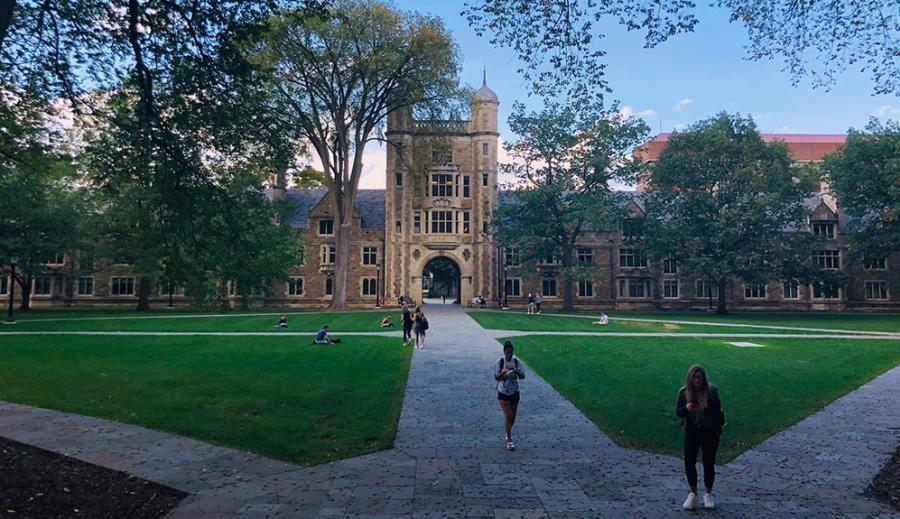
The University of Michigan, based in Ann Arbor, is a public research university widely regarded as one of the top public universities in the United States. Known for its large, comprehensive academic offerings, strong programs in business, engineering, and public policy, and a vibrant Big Ten athletics culture, Michigan attracts a large and diverse student body from across the U.S. and around the world. This guide covers admissions, tuition, financial aid, academics, and campus life at Michigan.
University of Michigan–Ann Arbor at a Glance
- Location: Ann Arbor, Michigan
- Founded: 1817
- Institution Type: Public research university
- Major Academic Areas: Business, Engineering, Public Policy, Medicine, Law, Arts and Sciences
- Undergraduate Schools: College of Literature, Science, and the Arts (LSA), College of Engineering, Ross School of Business, and other undergraduate schools
- Graduate Options: Ross School of Business (MBA), Michigan Law School, Michigan Medical School, Ford School of Public Policy, and more
- Official Website: umich.edu
History and Background
How the University Started
The University of Michigan was founded in 1817, making it one of the oldest public universities in the country. It was originally established in Detroit before relocating to Ann Arbor in 1837, where it has remained the university’s primary campus ever since.
Development and Reputation
Michigan grew into one of the largest and most comprehensive research universities in the United States, developing strong programs across nearly every academic discipline. Its Ross School of Business, Law School, and College of Engineering are particularly well regarded, and the university has long been recognized as a leading public research institution, often grouped among the “Public Ivies.”
Academic Programs
Undergraduate Programs
Most Michigan undergraduates enroll in the College of Literature, Science, and the Arts (LSA), while others apply directly to the College of Engineering, the Ross School of Business (via a competitive secondary application process), or other specialized schools such as Art & Design, Music, Theatre & Dance, or Nursing.
Graduate Programs
Michigan offers extensive graduate and professional programs, including an MBA through the Ross School of Business, a JD through Michigan Law, an MD through the Medical School, and public policy degrees through the Ford School.
Popular Fields of Study
Popular undergraduate fields include business (through Ross), computer science, engineering, economics, and psychology. Michigan’s strength in engineering and business consistently attracts large numbers of applicants to these programs.
Admissions
Undergraduate Admission
Undergraduate admission to Michigan is competitive, particularly for out-of-state and international applicants, as public universities often reserve significant capacity for in-state residents. Applicants apply through the Common Application or Coalition Application with Michigan-specific supplemental essays.
Graduate Admission
Graduate admission requirements vary by school. Applicants to Ross, Michigan Law, or the Medical School should review each program’s specific requirements directly.
General Admission Requirements
Typical undergraduate application requirements include:
- Common Application or Coalition Application with Michigan-specific supplemental essays
- Official high school transcript
- Letters of recommendation
- Standardized test policy (test-optional/test-flexible policies have shifted in recent years; applicants should verify current policy on Michigan’s official admissions site)
- Extracurricular activities and personal essays
- Secondary application for direct-admit programs like Ross School of Business
Application Process
Michigan offers Early Action (non-binding) and Regular Decision timelines. Because admissions policies and deadlines can change year to year, applicants should confirm current details directly on Michigan’s official undergraduate admissions website before applying.
Tuition and Costs
Tuition
As a public university, Michigan has different tuition rates for in-state Michigan residents and out-of-state/international students, with out-of-state tuition significantly higher. Prospective students should check Michigan’s official Office of Financial Aid page for current, residency-specific tuition figures.
Housing and Living Expenses
On-campus housing and meal plans, along with Ann Arbor’s cost of living, form a significant part of Michigan’s total cost of attendance, detailed in the university’s official annual cost breakdown.
Other Student Costs
Additional costs can include health insurance, textbooks and course materials, and travel expenses for out-of-state and international students, with specific figures published annually by Michigan’s financial aid office.
Scholarships and Financial Aid
University Financial Aid
Michigan offers need-based financial aid, including its “Go Blue Guarantee” program, which provides free tuition for eligible in-state students from lower- and middle-income families who meet residency and income requirements. Out-of-state and international students should check current aid eligibility, as need-based aid policies can differ by residency status. The university also offers some merit-based scholarships.
External Scholarships
Students can supplement institutional aid with external scholarships from private organizations and government sources. See UniCoStudy’s Scholarships for International Students in the United States guide for more strategies.
Campus and Student Life
Campus Environment
Michigan’s Ann Arbor campus is large and spans Central Campus and North Campus areas, offering a classic large public university atmosphere with extensive academic, athletic, and recreational facilities within a walkable college town.
Student Organizations
Michigan hosts one of the largest numbers of student organizations of any U.S. university, spanning academic, cultural, service, and recreational interests, along with a nationally prominent NCAA Division I athletics program as part of the Big Ten Conference.
Housing and Student Facilities
Michigan guarantees on-campus housing for first-year students, with a range of dormitories and living-learning communities. Many upperclassmen move to off-campus housing in Ann Arbor.
Rankings and Reputation
Michigan consistently ranks among the top public universities in the United States and among top global research universities by organizations such as U.S. News & World Report and QS World University Rankings, with particular strength in business, engineering, and public policy. As rankings vary by methodology and year, students should consult original ranking sources directly. See UniCoStudy’s How U.S. University Rankings Work for more context.
Why Students Choose University of Michigan
Students are often drawn to Michigan for its comprehensive academic offerings, strong business and engineering programs, vibrant Big Ten athletics and campus culture, and reputation as one of the best public universities in the country — often at a lower cost than private peer institutions, especially for in-state residents.
Pros and Considerations
Pros: Wide range of strong academic programs, significant in-state affordability through programs like the Go Blue Guarantee, vibrant campus and athletics culture, large and active alumni network.
Considerations: Significantly higher tuition for out-of-state and international students, large class sizes in some introductory courses typical of big public universities, and competitive secondary admission for programs like Ross School of Business.
Frequently Asked Questions
Is University of Michigan a public or private school?
It is a public research university, meaning tuition differs for in-state and out-of-state students.
What is the Go Blue Guarantee?
It is a financial aid program that provides free tuition for eligible in-state, lower- and middle-income students who meet residency and income requirements.
How do I get into the Ross School of Business?
Undergraduate admission to Ross typically involves a secondary, competitive application process after initial admission to the university; requirements should be confirmed on Michigan’s official website.
Is Michigan need-blind for international students?
Financial aid policies for international students can differ from those for domestic students; applicants should verify current policy on Michigan’s official financial aid website.
Conclusion
The University of Michigan–Ann Arbor offers one of the broadest and strongest academic experiences among U.S. public universities, with standout programs in business, engineering, and public policy, plus a lively campus culture backed by Big Ten athletics. Its affordability for in-state students, combined with strong national reputation, make it a compelling option for a wide range of applicants. As always, prospective applicants should verify current admissions requirements, tuition, and aid policies directly on Michigan’s official website.
Internal Link Suggestions:
- → Northwestern University, UC Berkeley (peer research university profiles)
- → How to Apply to U.S. Universities
- → Merit-Based vs Need-Based Financial Aid
- → Scholarships for International Students
- → How U.S. University Rankings Work
Suggested Authoritative Sources: umich.edu (official admissions & financial aid pages), U.S. News & World Report rankings page for Michigan, Ross School of Business official site.
Image Alt-Text Suggestions: “University of Michigan Central Campus in Ann Arbor”, “Michigan Big House football stadium”, “University of Michigan students on campus”
Introductio