
Introduction
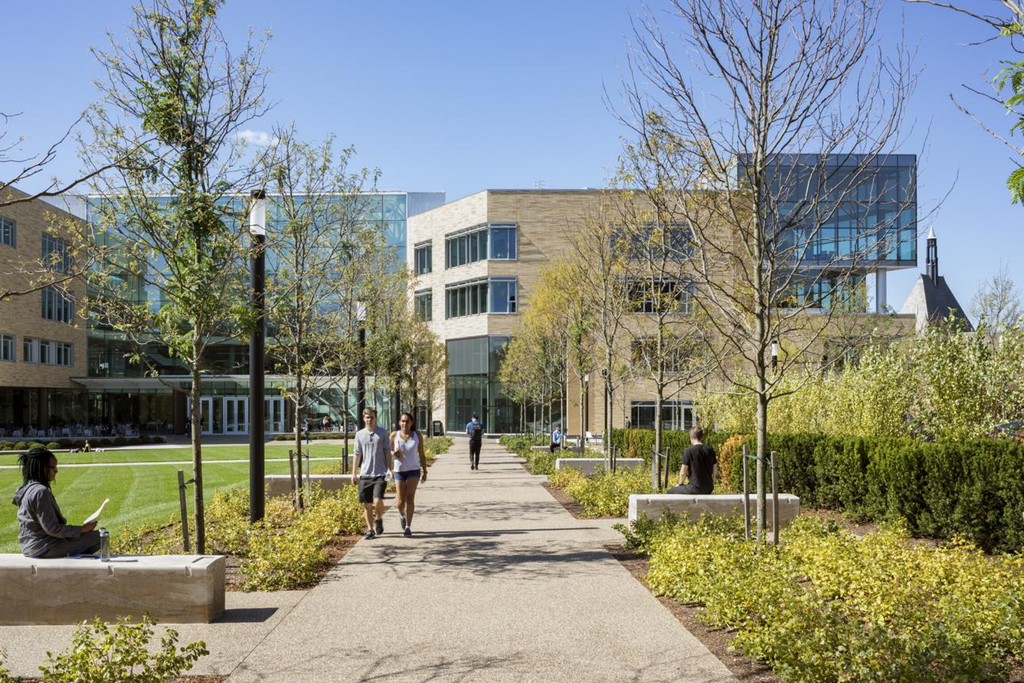
Carnegie Mellon University (CMU) is a private research university located in Pittsburgh, Pennsylvania, widely recognized as one of the world’s leading institutions for computer science, engineering, and the arts. Formed through the 1967 merger of the Carnegie Institute of Technology and the Mellon Institute of Industrial Research, CMU has built a reputation for interdisciplinary innovation, particularly at the intersection of technology and the arts. This guide covers admissions, tuition, financial aid, academics, and campus life at CMU.
Carnegie Mellon University at a Glance
- Location: Pittsburgh, Pennsylvania
- Founded: 1900 (as Carnegie Technical Schools); became Carnegie Mellon University in 1967
- Institution Type: Private research university
- Major Academic Areas: Computer Science, Engineering, Fine Arts, Business, Public Policy, Drama
- Undergraduate Colleges: School of Computer Science, College of Engineering, College of Fine Arts, Tepper School of Business, Dietrich College of Humanities and Social Sciences, Mellon College of Science
- Graduate Options: Tepper School of Business (MBA), Heinz College of Information Systems and Public Policy, and other graduate programs
- Official Website: cmu.edu
History and Background
How the University Started
CMU traces its origins to 1900, when industrialist Andrew Carnegie founded the Carnegie Technical Schools to provide practical, technical education for the working population of Pittsburgh. The Mellon Institute of Industrial Research, founded separately by the Mellon family, focused on scientific and industrial research.
Development and Reputation
In 1967, the Carnegie Institute of Technology and the Mellon Institute merged to form Carnegie Mellon University. Over subsequent decades, CMU built an especially strong reputation in computer science and robotics, becoming one of the pioneering institutions in these fields, while its College of Fine Arts and School of Drama developed parallel reputations for excellence in the arts — an unusual combination that continues to define CMU’s interdisciplinary culture today.
Academic Programs
Undergraduate Programs
CMU undergraduates apply directly to one of several colleges, including the School of Computer Science, the College of Engineering, the College of Fine Arts, the Tepper School of Business, and the Dietrich College of Humanities and Social Sciences. Admission to the School of Computer Science, in particular, is considered among the most competitive undergraduate programs in the country.
Graduate Programs
CMU offers graduate programs through the Tepper School of Business, the Heinz College of Information Systems and Public Policy, and its highly regarded graduate programs in computer science, robotics, and engineering.
Popular Fields of Study
Popular undergraduate fields include computer science, engineering, drama and design (through the College of Fine Arts), business, and statistics. CMU’s computer science and robotics programs are considered among the best globally.
Admissions
Undergraduate Admission
Undergraduate admission to CMU is highly selective, and selectivity varies notably by college — admission to the School of Computer Science is exceptionally competitive compared to some other CMU colleges. Applicants apply through the Common Application or Coalition Application and select their intended college at the time of application.
Graduate Admission
Graduate admission requirements vary by school and program. Applicants to Tepper, Heinz College, or CMU’s computer science graduate programs should review each program’s specific requirements directly.
General Admission Requirements
Typical undergraduate application requirements include:
- Common Application or Coalition Application with CMU-specific supplemental essays
- Official high school transcript
- Letters of recommendation
- Standardized test policy (test-optional/test-flexible policies have shifted in recent years; applicants should verify current policy on CMU’s official admissions site)
- Portfolio or audition materials for College of Fine Arts programs (art, design, drama, music)
- Extracurricular activities and personal essays
Application Process
CMU offers Early Decision (binding) and Regular Decision timelines. Because admissions policies and deadlines can change year to year, applicants should confirm current details directly on CMU’s official undergraduate admissions website before applying.
Tuition and Costs
Tuition
As a private research university, CMU’s tuition is substantial and updated annually. Prospective students should check CMU’s official Student Financial Aid page for current tuition and fee figures.
Housing and Living Expenses
On-campus housing and meal plans, along with Pittsburgh’s cost of living (generally lower than cities like New York or Los Angeles), form part of CMU’s total cost of attendance, detailed in the university’s official annual cost breakdown.
Other Student Costs
Additional costs can include health insurance, textbooks and course materials, and equipment or supply costs for programs in fine arts or design, with specific figures published annually by CMU’s financial aid office.
Scholarships and Financial Aid
University Financial Aid
CMU offers need-based financial aid, though, similar to some other highly specialized private research universities, it has not historically guaranteed to meet 100% of demonstrated need for all admitted students to the same extent as need-blind Ivy League peers; applicants should review current aid policies directly on CMU’s official financial aid website. CMU also offers a number of merit-based scholarships for competitive applicants.
External Scholarships
Given variability in institutional aid coverage, external scholarships can be an important funding source for many CMU students. See UniCoStudy’s Scholarships for International Students in the United States guide for strategies.
Campus and Student Life
Campus Environment
CMU’s main campus is located in the Oakland/Squirrel Hill area of Pittsburgh, offering a compact, walkable campus close to the city’s cultural and museum district, including proximity to the University of Pittsburgh.
Student Organizations
CMU hosts a wide range of student organizations, including strong robotics, hackathon, entrepreneurship, and performing arts groups reflecting the university’s technology-and-arts identity, along with NCAA Division III athletics.
Housing and Student Facilities
CMU guarantees on-campus housing for first-year students, with a mix of traditional residence halls and specialized housing options. Many upperclassmen move to off-campus housing in neighborhoods surrounding campus.
Rankings and Reputation
CMU consistently ranks among the top research universities in the United States and globally by organizations such as U.S. News & World Report and QS World University Rankings, with particular strength in computer science, engineering, and fine arts/drama. As rankings vary by methodology and year, students should consult original ranking sources directly. See UniCoStudy’s How U.S. University Rankings Work for more context.
Why Students Choose Carnegie Mellon University
Students are often drawn to CMU for its world-class computer science and engineering programs, combined with an unusually strong College of Fine Arts — a rare pairing that attracts students interested in the intersection of technology and creative fields, such as game design, animation, and human-computer interaction.
Pros and Considerations
Pros: World-renowned computer science and robotics programs, strong interdisciplinary opportunities between technology and the arts, relatively affordable Pittsburgh cost of living, active innovation and entrepreneurship culture.
Considerations: Extremely competitive admission to certain colleges (especially Computer Science), financial aid that may not fully meet demonstrated need for all students, and an intense academic culture, particularly in technical programs.
Frequently Asked Questions
Is CMU good for majors outside computer science?
Yes, while CMU is especially renowned for computer science, it also has strong programs in fine arts, drama, business, and public policy.
How competitive is CMU’s School of Computer Science?
It is considered one of the most competitive undergraduate computer science programs in the country; applicants should research current acceptance rates and requirements on CMU’s official admissions site.
Does CMU offer merit scholarships?
Yes, CMU offers a number of merit-based scholarships in addition to need-based financial aid; specific programs and eligibility should be confirmed on the official financial aid website.
Where is Carnegie Mellon located?
CMU’s main campus is in the Oakland/Squirrel Hill area of Pittsburgh, Pennsylvania.
Conclusion
Carnegie Mellon University stands out for its world-class strength in computer science and engineering, paired uniquely with a highly regarded College of Fine Arts — making it an especially compelling choice for students interested in the intersection of technology and creativity. Its Pittsburgh campus, active innovation culture, and range of merit and need-based aid options make CMU a strong option for technically and creatively minded applicants alike. As always, prospective applicants should verify current admissions requirements, tuition, and aid policies directly on CMU’s official website.
Internal Link Suggestions:
- → University of Southern California, MIT (peer research/technology-focused university profiles)
- → How to Apply to U.S. Universities
- → Merit-Based vs Need-Based Financial Aid
- → Scholarships for International Students
- → How U.S. University Rankings Work
Suggested Authoritative Sources: cmu.edu (official admissions & financial aid pages), U.S. News & World Report rankings page for CMU, School of Computer Science official site.
Image Alt-Text Suggestions: “Carnegie Mellon University campus in Pittsburgh”, “CMU School of Computer Science building”, “Carnegie Mellon students on campus”