
Introduction
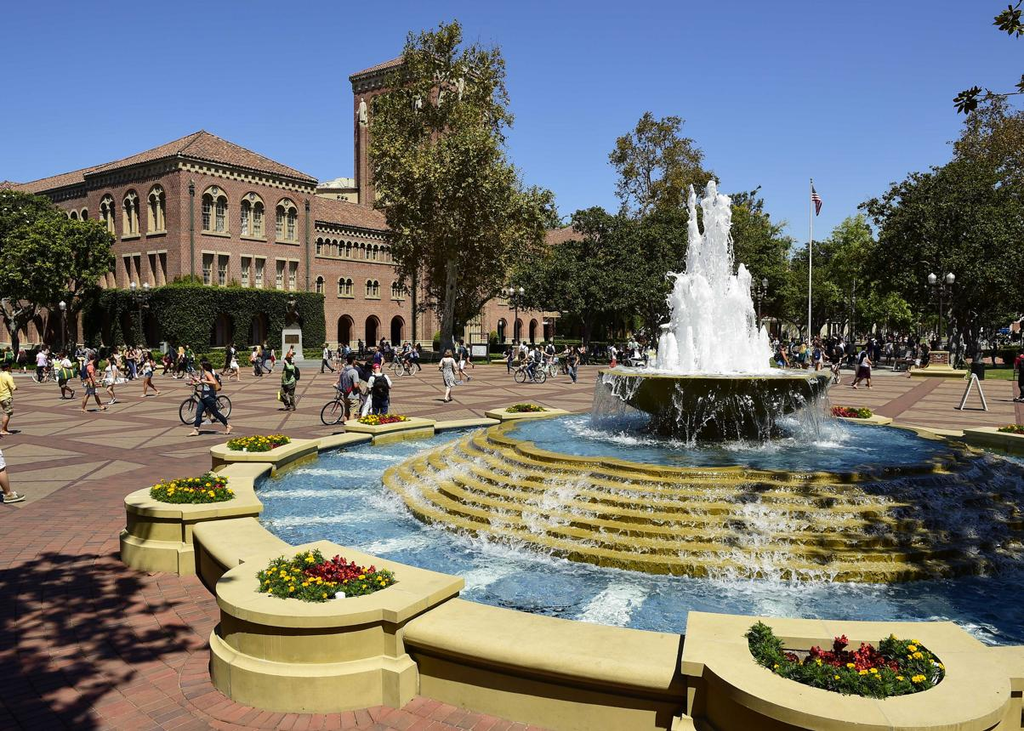
The University of Southern California, widely known as USC, is a private research university located in Los Angeles, California. USC is especially renowned for its School of Cinematic Arts, one of the oldest and most respected film schools in the world, along with strong programs in business, engineering, and communication. Its Los Angeles location, extensive alumni network in entertainment and technology, and vibrant NCAA Division I athletics culture make USC a distinctive choice among major private research universities. This guide covers admissions, tuition, financial aid, academics, and campus life at USC.
University of Southern California at a Glance
- Location: Los Angeles, California
- Founded: 1880
- Institution Type: Private research university
- Major Academic Areas: Cinematic Arts, Business, Engineering, Communication, Law, Medicine
- Undergraduate Schools: USC Dornsife College of Letters, Arts and Sciences, Marshall School of Business, Viterbi School of Engineering, School of Cinematic Arts, Annenberg School for Communication and Journalism, and others
- Graduate Options: Marshall School of Business (MBA), Gould School of Law, Keck School of Medicine, and more
- Official Website: usc.edu
History and Background
How the University Started
USC was founded in 1880, making it the oldest private research university in California. It was established through a donation of land by a group of local Los Angeles residents, including a former governor, at a time when the city was still a relatively small settlement.
Development and Reputation
As Los Angeles grew into a major American city, USC grew alongside it, developing especially close ties to the entertainment industry through its School of Cinematic Arts, founded in 1929 in partnership with major Hollywood studios. Over time, USC expanded into a comprehensive research university with strengths across business, engineering, and communication, while its entertainment-industry connections and alumni network remained a defining feature.
Academic Programs
Undergraduate Programs
USC undergraduates apply directly to one of several schools, including USC Dornsife College of Letters, Arts and Sciences, the Marshall School of Business, the Viterbi School of Engineering, and the School of Cinematic Arts, the latter of which typically requires supplemental application materials such as a portfolio or personal statements specific to filmmaking interests.
Graduate Programs
USC offers graduate and professional programs through the Marshall School of Business, the Gould School of Law, the Keck School of Medicine, and other graduate divisions.
Popular Fields of Study
Popular undergraduate fields include business (through Marshall), film and television production (through Cinematic Arts), computer science, engineering, and communication. USC’s programs in cinematic arts and business are particularly well known and competitive.
Admissions
Undergraduate Admission
Undergraduate admission to USC is highly selective. Applicants apply through the Common Application or Coalition Application, along with USC-specific supplemental essays, and additional materials such as a portfolio may be required for programs like the School of Cinematic Arts.
Graduate Admission
Graduate admission requirements vary by school. Applicants to Marshall, Gould Law, or Keck Medicine should review each program’s specific requirements directly.
General Admission Requirements
Typical undergraduate application requirements include:
- Common Application or Coalition Application with USC-specific supplemental essays
- Official high school transcript
- Letters of recommendation
- Standardized test policy (test-optional/test-flexible policies have shifted in recent years; applicants should verify current policy on USC’s official admissions site)
- Portfolio or supplemental materials for certain programs (e.g., Cinematic Arts)
- Extracurricular activities and personal essays
Application Process
USC offers Early Action (non-binding) and Regular Decision timelines. Because admissions policies and deadlines can change, applicants should confirm current details directly on USC’s official undergraduate admissions website before applying.
Tuition and Costs
Tuition
As a private research university, USC’s tuition is substantial and updated annually. Prospective students should check USC’s official Financial Aid Office page for current tuition and fee figures.
Housing and Living Expenses
On-campus housing and meal plans, along with the cost of living in Los Angeles, form a significant part of USC’s total cost of attendance, detailed in the university’s official annual cost breakdown.
Other Student Costs
Additional costs can include health insurance, textbooks and course materials, and equipment costs for programs like filmmaking, with specific figures published annually by USC’s financial aid office.
Scholarships and Financial Aid
University Financial Aid
USC meets 100% of demonstrated financial need for admitted undergraduate students through need-based aid. USC also offers a range of prestigious merit-based scholarships, such as the Trustee and Presidential Scholarships, awarded to a select group of highly competitive applicants. Applicants should confirm current aid policies and merit scholarship details on USC’s official financial aid website.
External Scholarships
Students can supplement institutional and merit aid with external scholarships from private organizations and government sources. See UniCoStudy’s Scholarships for International Students in the United States guide for additional strategies.
Campus and Student Life
Campus Environment
USC’s main campus, University Park, is located near downtown Los Angeles and features a traditional, palm-tree-lined campus quad within a major city, giving students both a defined campus community and direct access to Los Angeles’s entertainment, business, and cultural industries.
Student Organizations
USC hosts a large number of student organizations, including strong film production, entrepreneurship, and entertainment-industry-focused clubs, along with a prominent NCAA Division I athletics program known for its football tradition and extensive Olympic sports success.
Housing and Student Facilities
USC guarantees on-campus housing for first- and second-year students, with a mix of traditional residence halls and specialized living-learning communities. Many upperclassmen move to off-campus housing near campus or elsewhere in Los Angeles.
Rankings and Reputation
USC consistently ranks among the top private research universities in the United States by organizations such as U.S. News & World Report and QS World University Rankings, with particular strength in cinematic arts, business, and communication. As rankings vary by methodology and year, students should consult original ranking sources directly. See UniCoStudy’s How U.S. University Rankings Work for more context.
Why Students Choose University of Southern California
Students are often drawn to USC for its unmatched connections to the entertainment industry through its School of Cinematic Arts, strong business and engineering programs, and vibrant Los Angeles location. Its extensive and famously loyal alumni network, particularly in entertainment and technology, is also a significant draw.
Pros and Considerations
Pros: Strong need-based financial aid, world-renowned film school, extensive entertainment and technology industry alumni network, vibrant Los Angeles campus and athletics culture.
Considerations: Highly competitive admissions for specialized programs like Cinematic Arts, high cost of attendance before aid, and a large student population that can mean sizable classes in some introductory courses.
Frequently Asked Questions
Is USC only good for film students?
No, while USC’s School of Cinematic Arts is world-renowned, USC also has strong programs in business, engineering, communication, and other fields.
Does USC offer merit scholarships?
Yes, USC offers competitive merit-based scholarships, such as the Trustee and Presidential Scholarships, in addition to need-based financial aid.
Where is USC located?
USC’s main campus, University Park, is located near downtown Los Angeles, California.
Do I need a portfolio to apply to USC’s film school?
Applicants to the School of Cinematic Arts typically need to submit supplemental materials specific to filmmaking or media interests; exact requirements should be confirmed on USC’s official admissions website.
Conclusion
The University of Southern California offers a distinctive combination of academic strength, especially in cinematic arts and business, with unmatched connections to the Los Angeles entertainment and technology industries. Its generous need-based and merit-based financial aid, vibrant campus culture, and strong alumni network make USC an appealing choice for students pursuing creative, business, or technical fields. As always, prospective applicants should verify current admissions requirements, tuition, and aid policies directly on USC’s official website.
Internal Link Suggestions:
- → New York University, Carnegie Mellon University (peer research university profiles)
- → How to Apply to U.S. Universities
- → Merit-Based vs Need-Based Financial Aid
- → Scholarships for International Students
- → How U.S. University Rankings Work
Suggested Authoritative Sources: usc.edu (official admissions & financial aid pages), U.S. News & World Report rankings page for USC, School of Cinematic Arts official site.
Image Alt-Text Suggestions: “USC University Park campus in Los Angeles”, “USC School of Cinematic Arts building”, “USC students on campus quad”